
What’s the point of PPIE? Researcher reflections on patient and public involvement and engagement groups.
⁉️ What is patient and public involvement and engagement (PPIE)?
Often, academics and research teams conduct studies on topics without having lived experience of the topic they are researching. For example, consider a project with a military focus, researchers without lived understanding may miss or misinterpret findings unique to those from a military population such as work demands, deployment experiences or combat. As a result, Patient and Public Involvement and Engagement (PPIE) groups have quickly become an essential component of research projects to ensure evidence is grounded in real-life, lived experiences. PPIE is when research is “carried out ‘with’ or ‘by’ members of the public rather than ‘to’, ‘about’ or ‘for’ them” [1]. Importantly, it is different from participating in a study. PPIE members contribute to research as experts of their own circumstances and co-producers of knowledge [2].
📚 How does PPIE improve research?
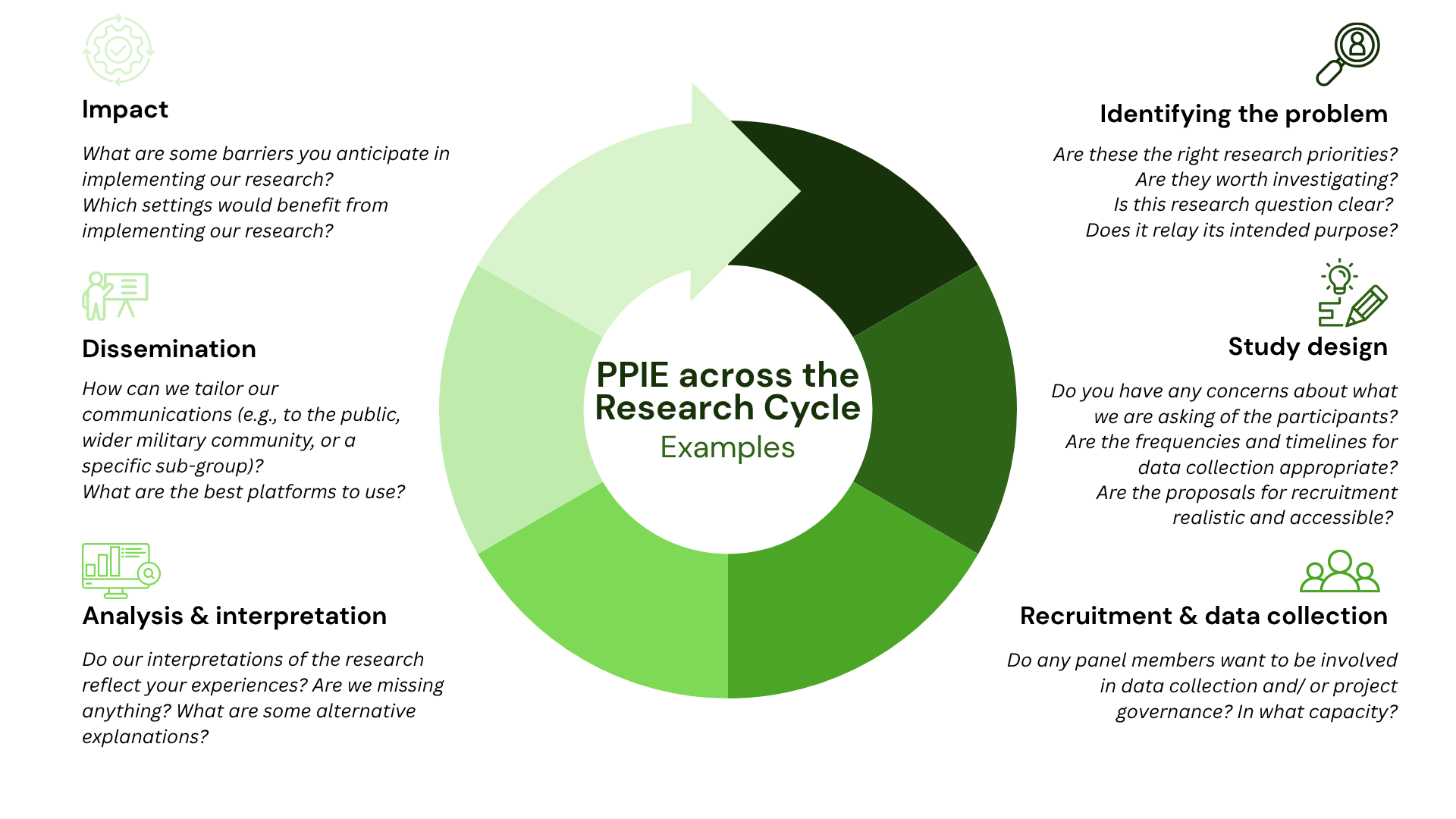
The process of conducting research can be described as a cycle, with six broad stages:
- Identifying the problem: PPIE groups can help identify research priorities and topics.
- Study design: PPIE can co-design research questions and methods.
- Recruitment & data collection: PPIE can provide participant recruitment methods and consult on how best to collect data from the study population.
- Analysis & interpretation: PPIE can be consulted on results and findings and co-produce outputs.
- Dissemination: PPIE can support the communication of findings to different audiences through conferences, journal articles, and other methods. PPIE can also provide alternative methods to disseminate outputs.
- Impact: PPIE can support how findings are translated into practice such as informing policy and improving current services.
Here are a few examples that show how PPIE can improve the quality, relevance, reach and impact of research [2] across the research cycle:
● Identifying the problem: The Centre for Military Women’s Research (Anglia Ruskin University) recently provided written evidence to Parliament based on co-developed recommendations with a PPIE group of UK servicewomen [3]. They highlighted that improving access to reproductive healthcare should be prioritised in policy and future research.
● Study design: A project exploring substance abuse and homelessness among veterans consulted people with lived experiences on methods to collect data. They raised concerns about collecting data using geo-tracking in the veteran community and gave feedback on interview questions. This collaborative approach received positive feedback during the grant review process, improving the quality and relevance of research design.
● Analysis & interpretation: PPIE members have been involved in analysing anonymised interview transcripts and have helped researchers interpret participants' lived experiences [4]. This could reduce bias and improve the quality, cultural relevance and authenticity of research interpretations [5,6].
● Dissemination: PPIE can also support the sharing and communication of research findings. This can be done through co-creating video scripts, presentations, leaflets, and providing feedback on content and style. This can improve the appeal, reach and relevance to target audiences [5,6].
🌟 Impact:
PPIE not only improves our research, but it can also create an impact on the contributors and wider community. The Research Excellence Framework (UK Research and Innovation) defines impact as ‘an effect on, change or benefit to the economy, society, culture, public policy or services, health, the environment or quality of life, beyond academia’ [7]. Evaluations of previous projects with PPIE have shown the following benefits for contributors outside of academia [8,9,10]:
● Built relationships and trust through shared experiences
● Increased knowledge about different perspectives and research developments
● Increased confidence and skills development
● Increased ability to support their community
● Gained experiences beneficial for future education or professional opportunities
● Improved relationship with their illness (in clinical research settings)
However, some negative effects, like unmet needs, feelings of exclusion, and lack of transparency, were also observed [8]. To ensure PPIE members feel supported, it is important to establish trust, develop a plan to avoid harm (e.g., Terms of Reference), and compensate all contributors fairly.

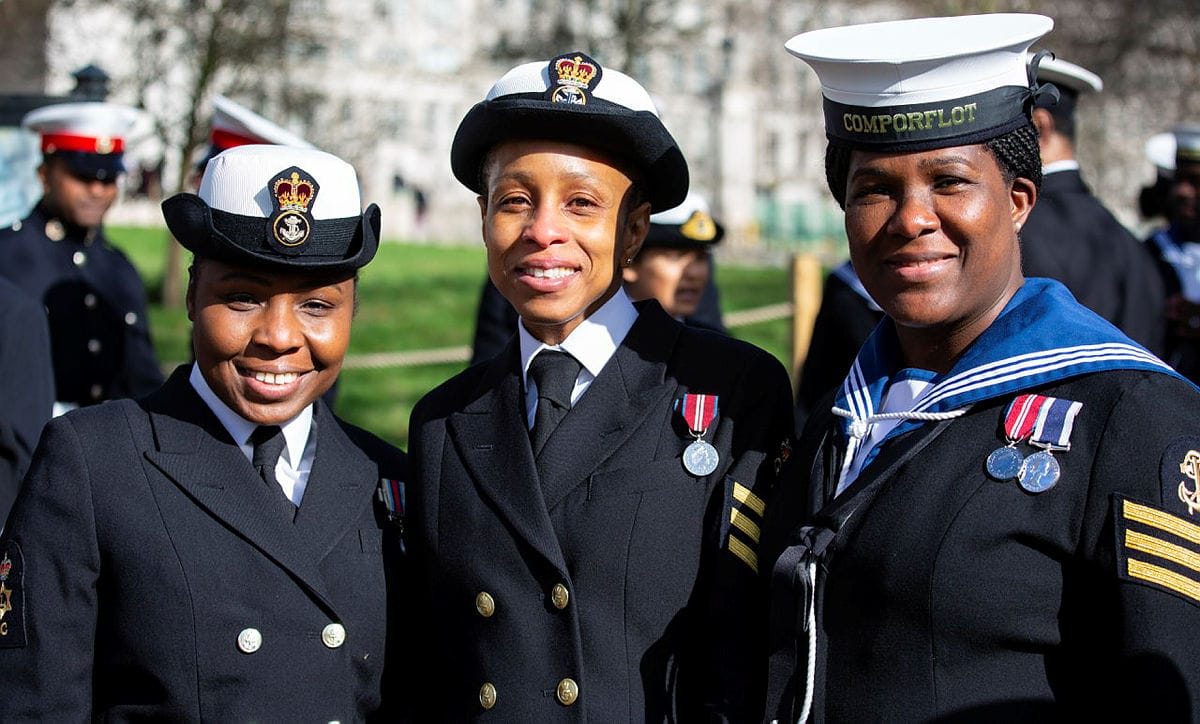
Corporal Danielle Dawson © Crown copyright 2021; UK MOD © Crown copyright 2021 (left)/ PO (Phot) Owen Cooban © Crown copyright 2021; UK MOD © Crown copyright 2021 (right)
🔍 The Racial and/or Ethnic Minority Servicewomen Project
The project sets out to understand the lived experiences of racial/ethnic minority servicewomen. Women and ethnic minority personnel each make up 12.0% and 12.5% of the UK Regular Force, respectively [11]. Lost in this data are racial and ethnic minority women, whose experiences are shaped by gender and race-based identities and inequalities.
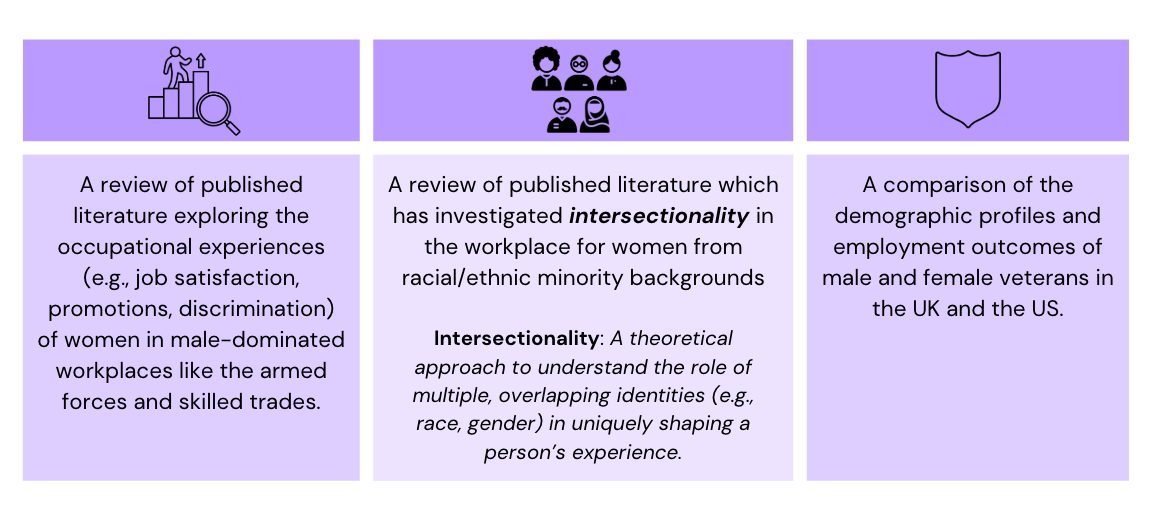
Research into the experiences of racial/ethnic minority servicewomen is limited, especially within the UK. So, we recruited five members as part of our Racial/Ethnic Minority Servicewomen PPIE Advisory Group. We are currently conducting several projects to address this gap in the literature:
🔁 Session 1: Recap and Reflections
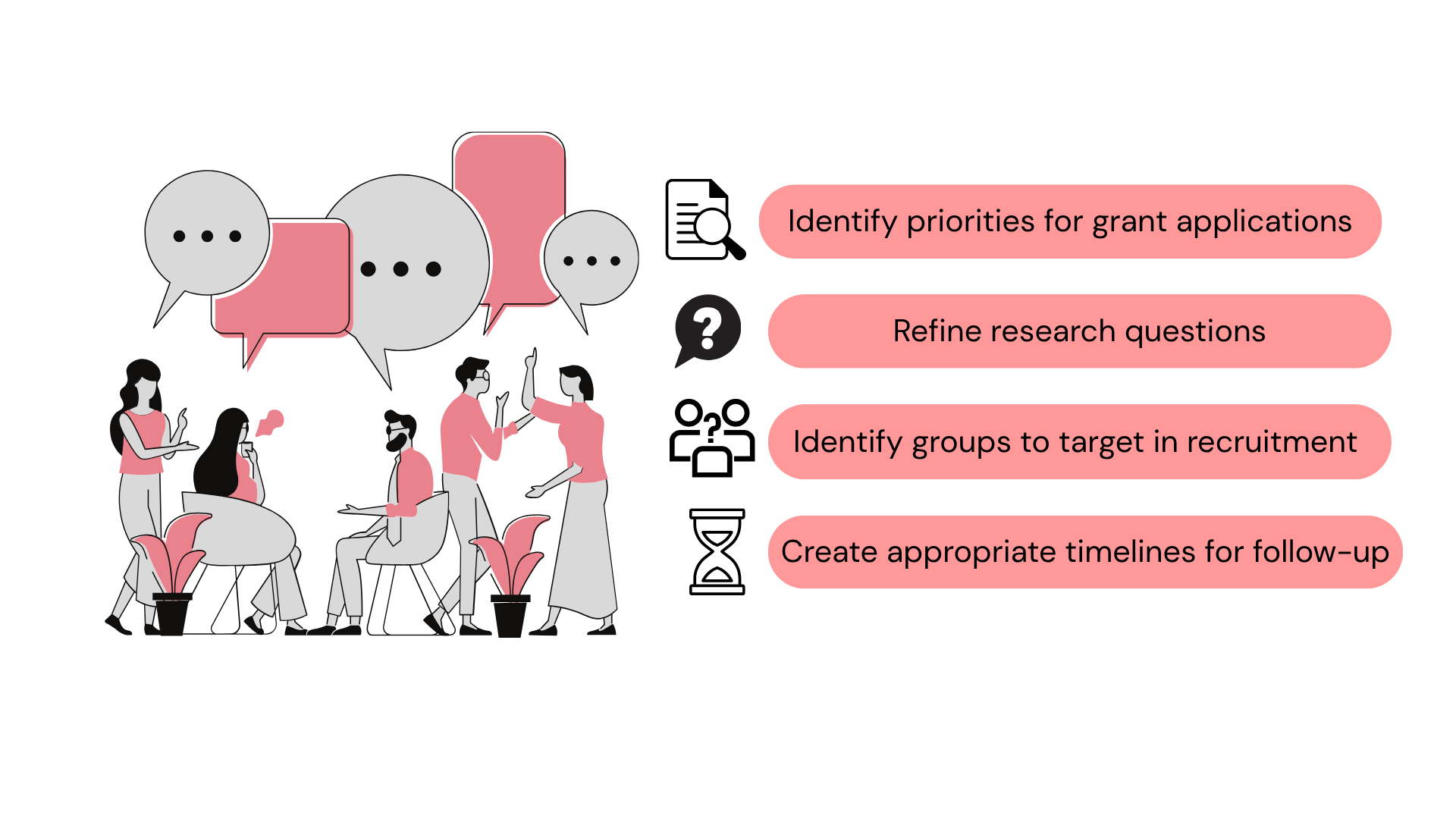
The first PPIE session provided us with such valuable insights into members’ lived experiences as servicewomen in the UK. We asked our PPIE members a range of questions spanning considerations for data collection across career stages to unmet needs, which have since informed our research priorities, research design, and interpretation.
Aside from initial prompts and questions, the session was largely steered by the PPIE panel. Often, we saw that members would build on each other’s experiences and feedback, prompting new discussions and highlighting similarities and differences in their narratives.
Personal reflections
As a researcher still developing my PPIE skills and learning about military systems, hosting this session gave me such valuable insights into the daily experiences of servicewomen in the UK. Listening to the REMS members share their feedback so enthusiastically showed me how important it is for these lived experiences to be represented. Equally, it highlighted their investment, commitment, and curiosity in our research. We would like to thank our PPIE advisory group for their patience, contribution, and continued engagement!

Authors
Aarya Menon ([email protected]); Dr Amber McKenzie ([email protected]); Dr Adriane Clomax ([email protected])
Funding
Wellcome Trust
Reference List
1. Great Ormond Street Hospital. What is Patient and Public Involvement and Engagement (PPIE) in research? [Internet]. GOSH Hospital Site. Available from: https://www.gosh.nhs.uk/our-research/taking-part-research/get-involved-in-research-and-innovation-at-gosh/patient-and-public-involvement-engagement-ppie-hub/what-is-patient-and-public-involvement-and-engagement-ppie-in-research/
2. Ahmed M, McLean J, Donaldson C, Roy MJ, Baker R. Creating the conditions for meaningful and effective PPIE in community-based public health research: learning from a UK-wide lived experience panel. Research Involvement and Engagement [Internet]. 2025 Jul 17;11(1):85. Available from: https://doi.org/10.1186/s40900-025-00727-x
3. Centre for Military Women’s Research (CMWR). Written evidence submitted by the Centre for Military Women’s Research (CMWR), Anglia Ruskin University (ARU) [Internet]. UK Parliament. 2025 [cited 2025 Nov 24]. Report No.: WAFFU0094. Available from: https://committees.parliament.uk/writtenevidence/138361/html/
4. Barker AM, Dunlap S, Hartmann CW, Wilson-Menzfeld G, McGill G. Engaging veterans in the research process: a practical guide. Journal of Comparative Effectiveness Research [Internet]. 2022 Jun 14;11(10):751–64. Available from: https://doi.org/10.2217/cer-2022-0010
5. Brett J, Staniszewska S, Mockford C, Herron‐Marx S, Hughes J, Tysall C, et al. Mapping the impact of patient and public involvement on health and social care research: a systematic review. Health Expectations [Internet]. 2012 Jul 19;17(5):637–50. Available from: https://doi.org/10.1111/j.1369-7625.2012.00795.x
6. Hawkes RE, Sanders C, Soiland-Reyes C, Brunton L, Howells K, Cotterill S, et al. Reflections of patient and public involvement from a commissioned research project evaluating a nationally implemented NHS programme focused on diabetes prevention. Research Involvement and Engagement [Internet]. 2023 Jun 14;9(1):42. Available from: https://doi.org/10.1186/s40900-023-00447-0
7. REF Impact [Internet]. Available from: https://www.ukri.org/who-we-are/research-england/research-excellence/ref-impact/
8. Wearn A, Brennan‐Tovey K, Adams EA, Alderson H, Baariu J, Cheetham M, et al. Evaluating Process and Outcomes of Public involvement in Applied health and social care Research: A Rapid Systematic review. Health Expectations [Internet]. 2025 Jan 22;28(1):e70160. Available from: https://doi.org/10.1111/hex.70160
9. Ahmed M, McLean J, Donaldson C, Roy MJ, Baker R. Creating the conditions for meaningful and effective PPIE in community-based public health research: learning from a UK-wide lived experience panel. Research Involvement and Engagement [Internet]. 2025 Jul 17;11(1):85. Available from: https://doi.org/10.1186/s40900-025-00727-x
10. Ashcroft J, Wykes T, Taylor J, Crowther A, Szmukler G. Impact on the individual: what do patients and carers gain, lose and expect from being involved in research? Journal of Mental Health [Internet]. 2016 Jan 2;25(1):28–35. Available from: https://doi.org/10.3109/09638237.2015.1101424
11. UK armed forces biannual diversity statistics: October 2025 [Internet]. GOV.UK. 2025. Available from: https://www.gov.uk/government/statistics/uk-armed-forces-biannual-diversity-statistics-october-2025/uk-armed-forces-biannual-diversity-statistics-october-2025